

REVIEW
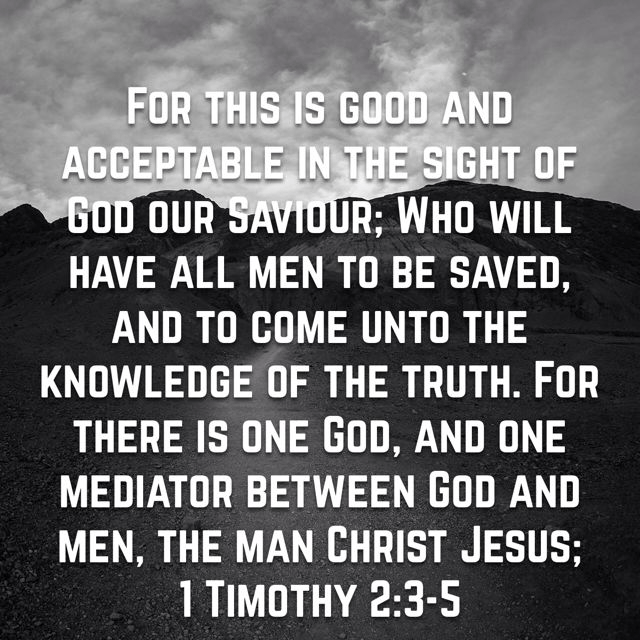
In part one and part two of this series, our focus was on; 1 Timothy 2:4 and the belief that Calvinist or Reformed theologians do not believe the phrase, Who will have all men to be saved, and to come unto the knowledge of the truth. In that process, we covered the 5 Solas of the Reformation, Total Depravity, and Unconditional election. I hope we did a sufficient job of covering each topic and refuting the argument against Calvinists, or those holding to Reformed Theology.
In part three we looked at the arguments against and for Limited Atonement. Then in installment, part 4, we explored the “I” in T.U.L.I.P. or Irresistible Grace. Lastly, we examined the final initial of “T.U.L.I.P.”, the Perseverance of the Saints in Part 5. Today the conclusion of this series we will summarize these points and more.
The Doctrines of Grace.
Often associated in more recent history with the *five points of *Calvinism or *TULIP, the doctrines of grace were delineated by the Synod of *Dort in 1618–1619 to counter the statements issued by *Remonstrants who subscribed to the teachings of *Arminius. These *doctrines summarize a Reformed perspective on the roles of God and humanity in *salvation, affirming that it is the work of God from beginning to end. Although many Reformed theologians reject, at least in part, how these doctrines are communicated in the acronym TULIP, each point is meant to express in a different way the *sovereignty of God and his gracious action in salvation.
Kelly M. Kapic and Wesley Vander Lugt, Pocket Dictionary of the Reformed Tradition, The IVP Pocket Reference Series (Downers Grove, IL: IVP Academic, 2013), 42.
T.U.L.I.P. Summerized
Total depravity. Sin affects every area of our lives to such an extent that we are effectively incapable of responding to God’s grace on our own.
Unconditional election. God chooses us despite ourselves and not because of anything in us, on the basis of his own sovereignty, not foreseen faith or any merits of our own.
Limited atonement. Although Christ’s death is sufficient to cover the sins of the entire world, in practice, its effectiveness is limited to those whom God has called to salvation; both parts of this are in accordance with God’s intent for the atonement.
Irresistible grace. When God calls you to salvation, he works in your life in such a way that you will respond.
Perseverance of the saints. When you are called by God to salvation, he will continue to preserve you and keep you from falling so far that you lose your salvation.
Glenn S. Sunshine, The Reformation for Armchair Theologians, First edition., Armchair Theologians Series (Louisville, KY: Westminster John Knox, 2005), 174–175.
The main opposition to the Doctrines of Grace/Calvinism comes from the view first put forth by Jacob Arminian
Critics of Reformed Theology continue loud and strong to this day. They are usually hung up on verses that seem to contradict each other. For example, our main text says Who will have all men to be saved, and to come unto the knowledge of the truth (KJV). Yet how can that be reconciled with John 3:18; He that believeth on him is not condemned: but he that believeth not is condemned already, because he hath not believed in the name of the only begotten Son of God. If God wants or better put will have all men saved who are the ones that do not believe and are condemned? This video and the article link below do a great job of answering that question.
Other Helpful Information
Answering a Critic of Reformed Theology
Five Myths About Reformed Theology
Reformation Essentials – Five Pillars of the Reformation
Reformation Theology Reading Guide
Discover more from Faithful Steward Ministries and FSM Women's Outreach
Subscribe to get the latest posts sent to your email.
 Faithful Steward Ministries and FSM Women's Outreach